Private Label Denim Skinny Jean Manufacturers in Turkey
Turkey’s Position in the Global Denim Market
Turkey ranks as the world’s 3rd largest denim clothing producer after China and India (Apparel Views, 2024) and is a significant player in the global denim market. According to IHKIB’s ‘January-June 2024 Denim Export Report,’ women’s denim pants and shorts constitute 56.1% of Turkey’s denim clothing exports (E-Textile Magazine, 2024). This ratio demonstrates the strong position of Turkish manufacturers in the women’s skinny jean category. In the first half of 2024, exports in this category reached $409.2 million (IHKIB, 2024).
Exports to the Netherlands, Turkey’s largest denim export market, reached $154 million in the first half of 2024, showing a 48.8% increase (Apparel Views, 2024). This rapid delivery capability is one of the significant competitive advantages of skinny jean manufacturers.
Turkey has many companies in the denim manufacturing sector that produce for world-famous brands. Please contact us to find the most suitable manufacturer for your production needs.
Minimum Order Quantities and Production Processes
Minimum order quantities for skinny jean manufacturers in Turkey vary according to the size and working methods of the business. One of the most important factors determining minimum order quantity is whether the fabric will be specially produced or not.
In stock fabric usage, manufacturers can be more flexible and accept lower quantities. In the case of custom fabric production, the minimum weaving quantities of fabric manufacturers come into play, and this automatically increases the minimum order quantity.
The most important factor determining production time is also the fabric supply method. Processes proceed faster when using stock fabrics, while longer periods may be required in case of custom fabric production. Each manufacturer’s capacity and working processes may differ.
Quality Control and Washing Processes
Turkish denim manufacturers apply multi-stage quality control systems in skinny jean production, ensuring international standard product quality. This system is meticulously applied at every stage from raw materials to finished products.
Controls performed at fabric intake form the foundation of production quality. Incoming denim fabrics are primarily inspected according to inspection systems, and compliance of fabric width, weight, and stretch properties with specifications is evaluated.
Washing processes in skinny jean production are among the most critical stages that determine the final appearance and feel of the product. Stone washing application softens the hard raw denim feel, creating a comfortable sensation for daily use while providing natural aging effects that add character to the product.
A little-known detail in the industry is that the “torque” measurement, referring to leg twist after washing, is one of the most important indicators of skinny jean quality – a quality skinny jean should show minimal torque after washing.
Fabric Options and Compositions
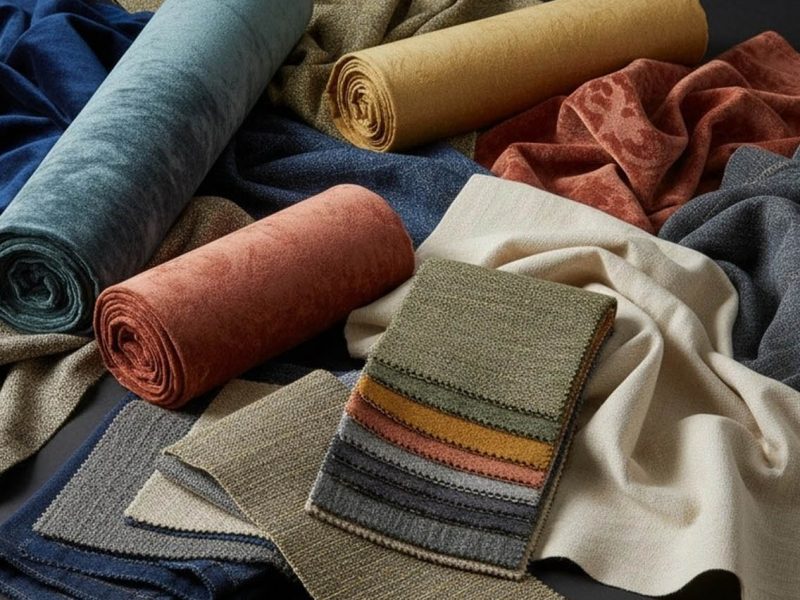
The most commonly used fabric composition in skinny jean production is a blend of cotton and elastane. This blend provides an appropriate balance in terms of both comfort and shape retention. Fabrics containing elastane provide ultra-flexible fit and are perfect for stylish skinny jeans.
While organic and sustainable options are also available, standard cotton-elastane blends are the most preferred alternatives. Organic cotton has been identified as an important component of Turkey’s sustainable denim production strategy (Deepwear, 2023).
Different options are available in terms of fabric weight. Light fabrics are preferred for summer collections, medium-weight fabrics for four-season use, and heavy fabrics for premium segment and durability-focused products.
Product Development and Design Processes
Turkish skinny jean manufacturers offer flexible working methods suitable for customers’ different needs. Manufacturers can work from samples you send, create patterns from just pictures or technical drawings, or present their ready collections to you.
In sample-based work, the sent reference product is analyzed in detail and production is carried out by capturing the same fit characteristics. In the case of working with pictures or technical drawings, experienced pattern makers develop appropriate patterns based on visual information.
Each of these working methods has its own unique advantages. Sample-based work gives the most precise results, image-based development allows more room for creativity, and ready collection selection provides the fastest starting opportunity.
Turkey’s Competitive Advantages
Turkey is a supplier to many world-famous denim brands with its high technology, strong logistics infrastructure, high-quality, flexible, fast, and error-free production capacity (Apparel Views, 2024). This technical expertise comes from over 40 years of denim experience.
Geographic location advantage provides rapid delivery opportunities to the European market. The European Union has a significant market share in the world denim clothing market, and Turkey’s proximity to this market creates an important competitive advantage.
Turkey exports 60% of its total ready-to-wear exports to EU countries. When other European countries and the USA are added, this ratio approaches 75% (Textile World, 2024). This strong export performance increases the international experience of skinny jean manufacturers.
Order Process and Customer Experience
The order process usually begins with a needs assessment meeting. At this stage, target market, price point, volume estimation, and timeline are determined. In the technical consultation phase, fit preferences, washing effects, quality level, and compliance requirements are reviewed.
The sample development process begins with initial concept development. At this stage, technical packages are developed, measurement specifications are prepared, material selection is made, and construction details are determined.
In the approval sample, final specification verification, quality standard approval, packaging sample approval, and production green light are obtained. After these stages are completed, bulk production planning begins and regular progress reports are presented to the customer.
This comprehensive information serves as a current and reliable guide for brands wanting to have private label skinny jean production done in Turkey. It should be remembered that each project may have its own specific requirements, and direct communication with manufacturers is recommended for detailed information.
Sources
- IHKIB (Istanbul Ready-to-Wear and Garment Exporters’ Association) – www.ihkib.org.tr
- E-Textile Magazine – Turkey’s Denim Fabric Exports 2024
- Apparel Views – Turkey’s Global Denim Market Position
- Textile World – Turkish Ready-to-Wear Industry
- Deepwear – Turkey Denim Production Analysis