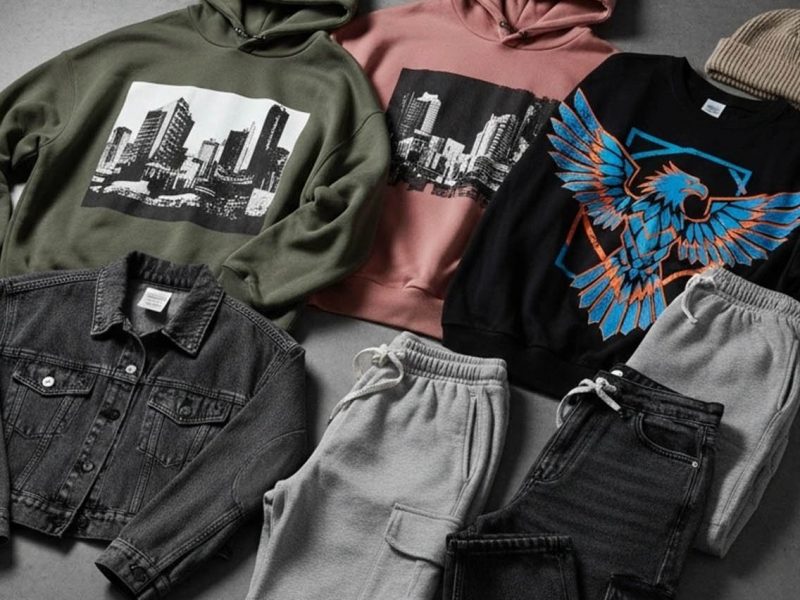
Custom Design T-shirt Manufacturers in Turkey
Turkish Bespoke T-shirt Production and Personalized Apparel Manufacturing
Custom t-shirt manufacturing has exploded in Turkey, but most people don’t realize how complex it’s become. This isn’t your neighborhood print shop anymore.
Last month, I worked with a startup that wanted “simple custom t-shirts.” Six weeks later, we were dealing with heat transfer vinyl, sublimation printing, embroidery digitization, and fabric sourcing from three different countries. Simple? Not so much.
The technology revolution hit Turkish custom manufacturers hard. Traditional screen printing works great for large orders but breaks down economically for small batches. Enter digital printing, heat transfer, and direct-to-garment technology that changed everything.
I visited a facility in Izmir that handles custom orders as small as single pieces. Their setup includes German DTG printers, Japanese heat presses, and software that automatically processes online orders. The owner told me they fulfill 500+ unique designs daily.
Quality standards for custom work are actually higher than mass production. When someone orders a personalized t-shirt, they expect perfection. No color variations, no alignment issues, no fading after first wash. The tolerance for defects is zero.
The design complexity keeps escalating. Customers want photo-realistic prints, metallic foils, glow-in-the-dark elements, and textured finishes. Each technique requires different equipment, materials, and expertise. Many Turkish manufacturers have become specialists in specific techniques.
Turnaround times separate the professionals from the amateurs. Fast custom manufacturers can deliver finished products within 24-48 hours of order placement. This requires optimized workflows, inventory management, and often 24/7 operations.
The customization software integration has become crucial. Turkish manufacturers increasingly provide online design tools where customers can upload artwork, choose products, and visualize results in real-time. The backend systems automatically route orders to appropriate production lines.
Pricing models vary wildly. Some manufacturers charge per design element, others use complex algorithms based on print area, color count, and order quantity. The most sophisticated operations offer dynamic pricing that adjusts based on current capacity and material costs.
Quality control for custom work is challenging because every piece is different. Automated inspection systems can’t handle the variation, so human quality checkers remain essential. The best Turkish custom manufacturers employ graphic designers specifically for quality verification.
blog test 2