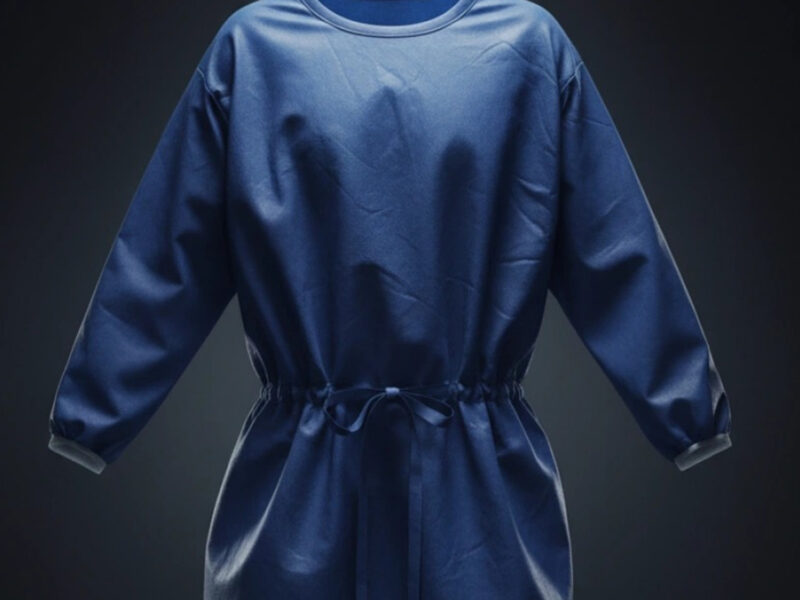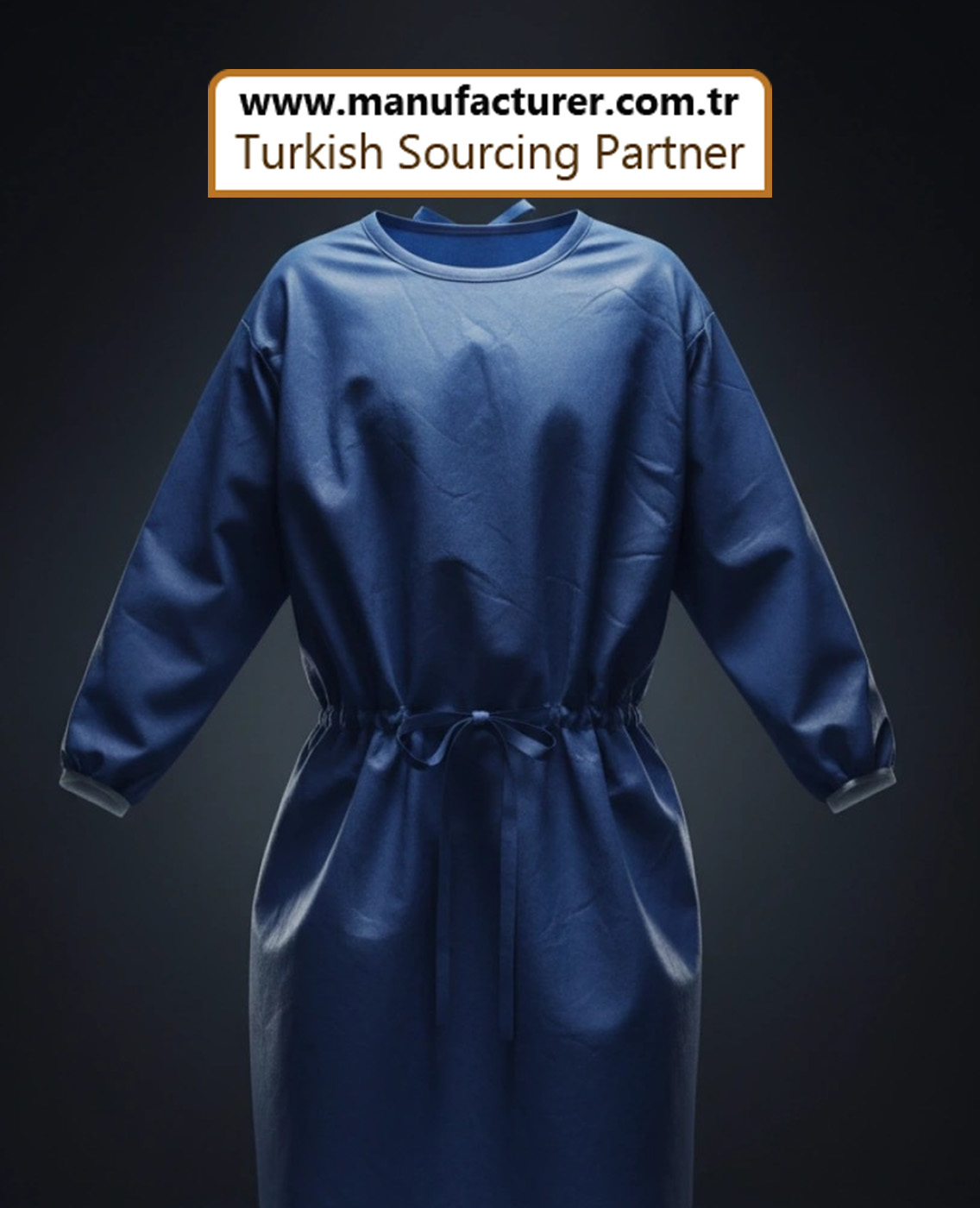
Protective Gown Manufacturers in Turkey: Corporate Healthcare and Safety Solutions
Protective Gown: A Professional Solution to Sectoral Protection Requirements
Protective gown represents one of the most critical safety requirements of modern healthcare institutions and industrial facilities. Protective gown is a protective garment that ensures worker and patient safety, strengthens infection control, and elevates institutional standards.
Turkish protective gown manufacturers supply protective gown solutions that meet international quality standards and are customized according to sectoral requirements. Protective gown is used to minimize disease transmission risk, support contamination control protocols, and guarantee occupational safety for healthcare workers.
Protective gowns manufactured in Turkey comply with ISO 13485 medical device standards, hold CE certification, and are approved in the European Union market. Domestic manufacturers exporting to more than 30 countries are positioned as reliable sources in the global health supply chain.
Protective Gown: The Language of Corporate Health Communication
Modern healthcare management requires supporting infection control policies and occupational safety protocols with concrete, physical tools. Protective gown is one of the most visible and effective instruments of this communication. When a nurse, physician, or laboratory technician dons a protective gown, it demonstrates to patients and visitors how seriously the institution values hygiene standards.
Types of Protective Gowns and Corporate Applications
Standard Protective Gown (Non-Woven Structure)
Standard protective gown is an economical and effective solution that meets the basic requirements of most healthcare institutions.
Corporate Advantages:
- Lightweight and comfortable design reduces worker turnover
- Air permeability provides comfort throughout extended shifts
- Front zipper system enables quick donning and doffing in emergencies
- Hooded design offers comprehensive protection covering head and hair
- Elastic pants legs and sleeve openings prevent fluid splashing
- Hypoallergenic composition minimizes sensitive skin issues
Appropriate Application Areas:
- Hospital general wards
- Clinical examination rooms
- Laboratory work
- Food processing facilities
- Research centers
Technical Specifications:
- Polypropylene non-woven fabric
- Thickness options of 20-40 gr
- Body dimensions of 130×190 cm
- Water-repellent and flame-retardant properties
- Particle-impermeable structure
- Anti-bacterial material properties
High-Protection Protective Gown (For Intensive Environments)
Protective gowns designed for environments with intense liquid contact, infectious disease wards, and biohazard procedures. This class of garment provides maximum protection and durability.
Corporate Advantages:
- Strengthens infection control in infectious disease wards
- Maximizes worker safety in emergency response environments
- Provides reliable protection in organ transplant and intensive care procedures
- Thick construction offers durability throughout extended procedures
Appropriate Application Areas:
- Infectious disease departments
- Intensive care units (ICU)
- Surgical operating theaters
- Organ transplant centers
- Pathology and autopsy laboratories
Technical Specifications:
- Polyethylene or reinforced non-woven material
- High gram weight of 30-40 gr
- Double seam system
- Complete liquid impermeability
- Chemical resistance
- Extended zipper system
The Role of Protective Gown in Corporate Decision-Making Processes
Protective gown selection is not merely a purchasing decision. It is a reflection of the institution’s health standards, worker welfare commitment, and guarantee to patients.
Cost-Benefit Analysis
Although the visible cost of choosing quality protective gown appears high, its long-term institutional benefits are significant:
- Worker Productivity: Comfortable protective gown reduces worker turnover, preserving resources spent on training and recruitment.
- Infection Control: Quality protective gown reduces hospital-acquired infection rates, lowering treatment costs.
- Corporate Reputation: Choosing ISO-certified protective gown promotes the institution’s professionalism.
- Legal Liability: Appropriate protective gown use reduces institutional legal responsibility in occupational safety incidents.
Procurement Strategies
Professional healthcare institutions typically adopt three models for protective gown procurement:
Model 1: Container-Based Bulk Purchasing
- Annual requirement calculation in advance
- Long-term contracts with suppliers
- Significant unit price discounts
- Continuous supply guarantee
Model 2: Quarterly Flexible Procurement
- Orders adjusted based on seasonal needs
- Reduced storage costs
- Maintained negotiating power
- Product renewal cycle flexibility
Model 3: Emergency Supply Stock
- Low quantities maintained in constant stock
- Preparedness for emergency and pandemic scenarios
- High unit cost
- Business continuity guarantee
Protective Gown Procurement from Turkey: Corporate Advantages
Logistical Superiority
Turkey’s geographic location and proximity to European and Asian markets accelerate the protective gown supply chain. Manufacturing centers in Ankara, Istanbul, and Izmir enable container shipments within 3-5 days.
Quality Control
ISO 13485-certified protective gown manufacturers in Turkey apply quality testing procedures for each batch:
- Tensile strength testing
- Seam strength testing
- Liquid resistance testing
- Microbial barrier testing
Pricing Advantage
Domestic manufacturing provides a 20-35% more economical solution compared to imported products. This savings provides significant budget relief for institutions.
Customization Capacity
Turkish protective gown manufacturers demonstrate flexibility regarding corporate identity printing, custom body measurements, and long-term product development.
Protective Gown Standards and Compliance
Compliance declarations provided by Turkish protective gown manufacturers:
- ISO 13485:2016 – Medical device quality management system
- ISO 9001:2015 – General quality management system
- TS EN ISO 6529 – Protective clothing permeability testing
- TS EN 1186-1 – Food contact compliance
- CE Declaration of Conformity – European market compliance
These certifications demonstrate that protective gown quality is not merely manufacturer claim but is verified by independent accredited laboratories.
The Role of Protective Gown in Training and Personnel Management
Modern healthcare institutions incorporate protective gown use into worker training programs. Selecting the appropriate protective gown type and ensuring its proper use makes infection control training practically implementable.
Training Protocols
Quality protective gown use requires the following training steps:
- Appropriate Protective Gown Selection: Determining correct protection levels based on procedure type
- Proper Donning Procedure: Step-by-step sequence for correct dressing
- Contamination Awareness: Understanding contamination risks during and after use
- Proper Doffing Procedure: Preventing contamination spread during removal
- Waste Management: Properly disposing of used protective gowns
Protective Gown Selection Guide: Corporate Decision Matrix
Healthcare institution protective gown selection should be based on:
FactorStandard Protective GownHigh-Protection Protective GownProcedure TypeExamination, cleaningSurgical, infection controlFluid ContactLightIntensiveExpected DurationShort (< 30 min)Long (> 1 hour)Unit CostLowHighWorker ComfortHighModerateProtection LevelStandardMaximum
Risk Management in Protective Gown Procurement
Success in protective gown procurement depends on managing the following risk factors:
Supply Interruption Risk
- Implementation of multi-supplier strategy
- Maintenance of safety stock
- Contracts with domestic and international suppliers
Quality Risk
- Selection of ISO 13485-certified suppliers
- Sample control for each shipment
- Periodic product testing
Cost Risk
- Long-term fixed-price contracts
- Quality-cost balance analysis
- Strategic use of negotiating power
Conclusion: Protective Gown, a Measure of Corporate Healthcare Management
Protective gown selection and use is not merely a logistical matter. It becomes a symbol that embodies the institution’s infection control philosophy, occupational safety commitment, and patient care standards.
Turkish protective gown manufacturers, with ISO certification, international quality, competitive pricing, and flexible supply conditions, are competent partners in meeting this critical requirement. Procuring protective gown from Turkey signifies investment in the quality of institutional healthcare management.
Contact Us
You can reach out to discuss your institution’s protective gown requirements, demand projections, and special needs. Our expert healthcare management consultants are ready to design solutions tailored to institutional requirements.